#TimetoMeet: Dirk Niepelt

2 min read
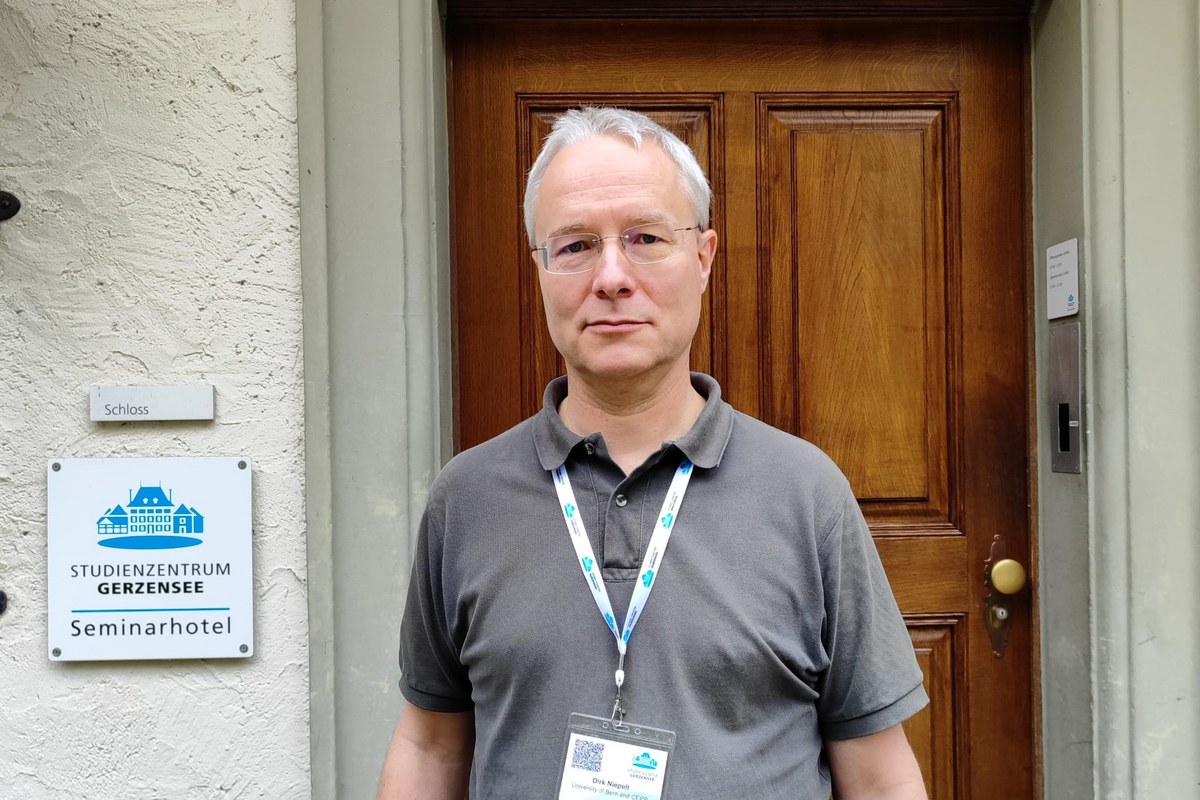
In our #TimetoMeet series we introduce members of the Gerzensee community and talk to them about their relationship with time. In this interview, it’s time to meet Dirk Niepelt, Professor of Macroeconomics at University of Bern and leader of the CEPR Research Policy Network on Fintech and Digital Currencies.

In your opinion, what is the most important economic challenge of our time?

Securing property rights to reduce waste, suppression, and conflict.


Time is money, so as an economist what would you like to invest more time in?

Listening to philosophers.


And which activity do you find the biggest waste of time?

Following directions by incompetent leaders, authorities.


If you had a free ride on a time machine, what year would you travel to?

Around 530 BCE to Croton.


Which is your favorite time of the year, and why?

I love seeing the morning light and leaves return. And the trees seem so happy.


What celebrity would you love to spend some time with?

ChatGPT lists as exemplary celebrities: Zendaya, Leonardo DiCaprio, Taylor Swift, Drake, Serena Williams, Lionel Messi, Charli D’Amelio, MrBeast, Oprah Winfrey, Elon Musk. So far, none of them came to my mind.
About our Interviewee:

Dirk Niepelt’s research covers topics in macroeconomics, monetary economics, as well as international and public finance. Dirk is currently a member of the Bank of England's CBDC Academic Advisory Group. He previously has also held visiting positions at the BIS, European Central Bank (ECB), International Monetary Fund (IMF), Federal Reserve Bank of St. Louis, and the Swiss National Bank.  

But most importantly for us, Dirk Niepelt also served as our director here at the Study Center Gerzensee between 2010 – 2022! We were thrilled to welcome Dirk back to Gerzensee as the co-organizer of the second annual meeting of the CEPR Research Policy Network on Fintech and Digital Currencies.

.

New Year’s Post 2026

.

Research Retreat 2025: Mike West & Collaborators

.

#GerzenseeInsights "New Problems in Institution Design"